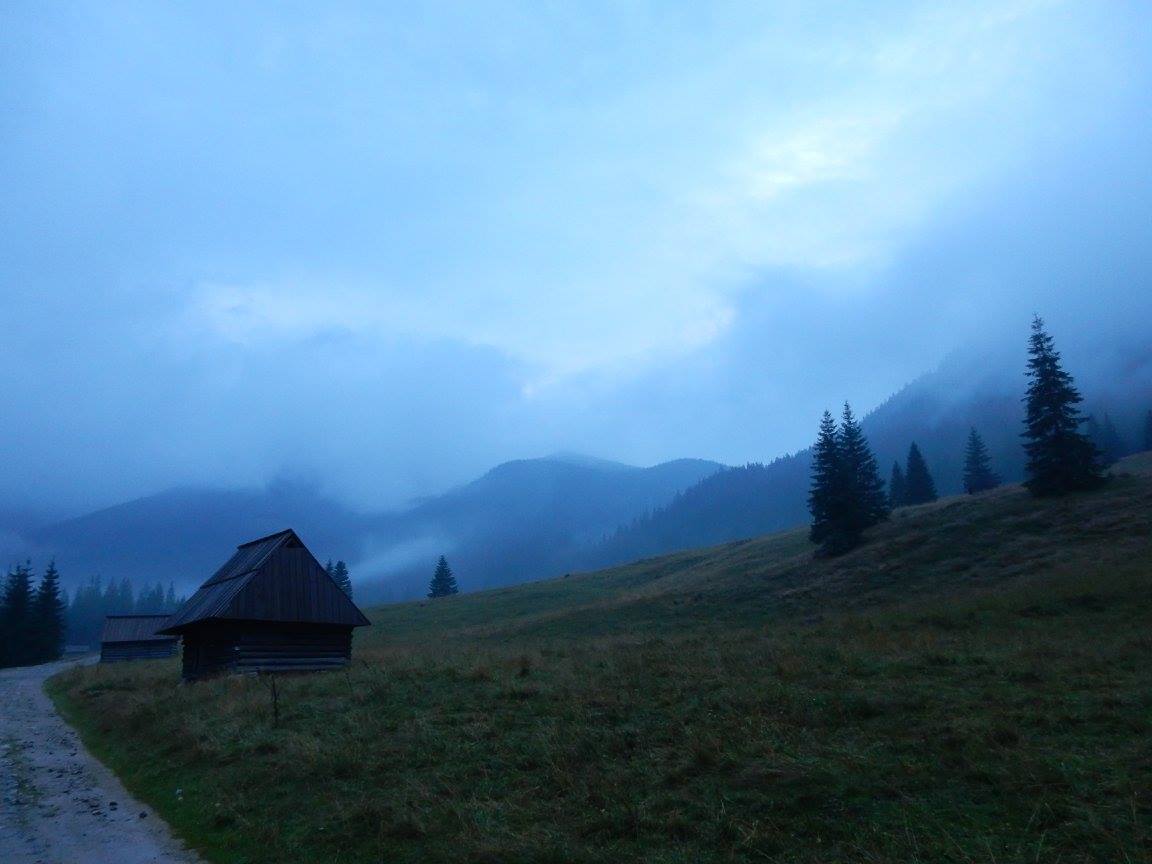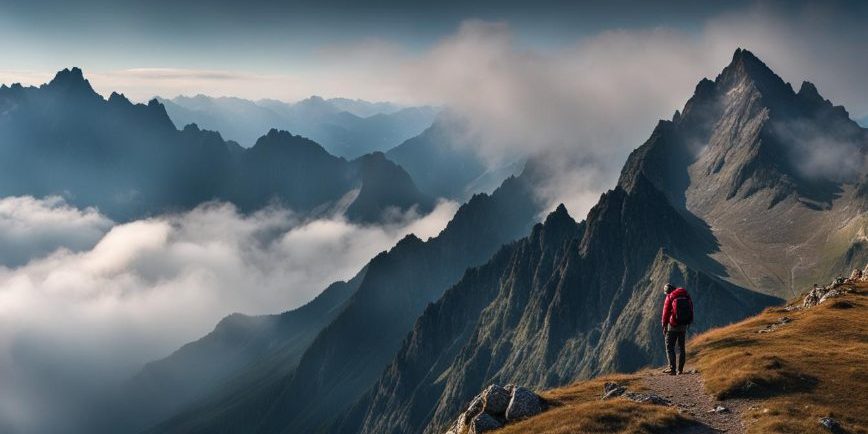
To tourists, Poland isn’t typically known for its mountain ranges.
But…
The Polish mountains are a genuine hidden treasure in the heart of Europe.
This area is filled with natural beauty and an incredibly interesting culture that’s helped define the Polish identity.
Unlike the Alps, the mountains in Poland offer a peaceful retreat with breathtaking views.
I’ve hiked many alpine trails, mostly in Australia.
But the High Tatras around Zakopane left me amazed.
The infrastructure and culture around visiting these national parks are impressive.
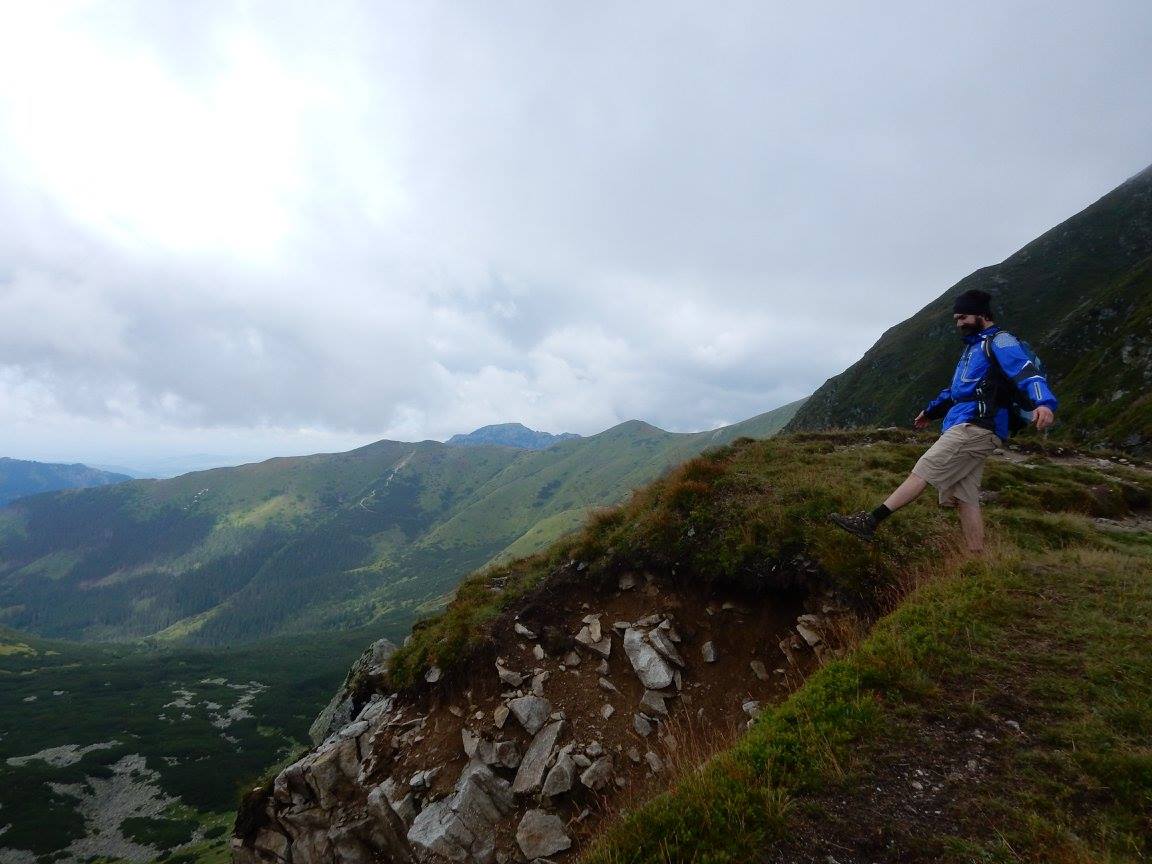
The Carpathians
The Carpathians cross Central Europe, weaving through Poland, Slovakia, Ukraine, Romania, Hungary, Czech Republic, Serbia, and Austria. They feed major rivers like the Danube, Tisza, Dniester, and Vistula, shaping both nature and human history.
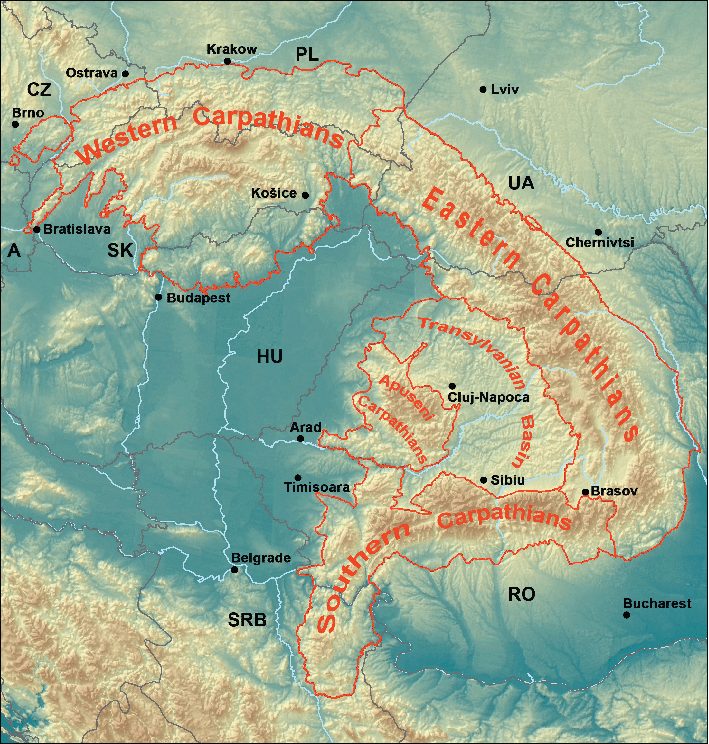
The Polish Carpathians
The Carpathians in Poland offer a variety of experiences for the outdoors type like me.
Stretching along the border between Slovakia and Poland, these mountains feature some of the most phenomenal peaks in the region.
We’ll touch on each of these sections further in this article, but here’s a simple map to keep you orientated:

The Tatry Mountains rise as Poland’s highest range, crowned by Rysy, which reaches 2,503 meters above sea level. As one of the oldest mountain ranges in Europe, they hold timeless beauty and challenge even experienced hikers.
You’ll see the town of Zakopane is referred to regularly, and is the ‘capital’ of the Tatry and alpine mountains in Poland.
Further south, the Bieszczady Mountains feature quiet trails and wide-open views.
For those seeking serenity, this untouched wilderness feels like a world away.
The Pieniny Mountains, known for their dramatic limestone cliffs, offer unique river rafting trips, while the Gorce Mountains provide forested trails perfect for long walks.
The Stołowe Mountains, famous for their strange, flat-topped rock formations, create otherworldly paths.
Finally, the Świętokrzyskie Mountains stand as a unique region with rock-forests thanks to the unique geology of the area.
The Polish Carpathians are well worth a visit for hikers, photographers, and anyone seeking a break from everyday life.
Unspoilt Nature in the Polish Mountains
Poland’s Carpathian Mountains are teaming with nature year-round.
They offer a mix of Polish scenery with over 3,000 plant species. The forests and meadows are alive with nature.
In the Tatra’s spring, the Crocus scepusiensis flower blooms, and are a sign that the days are getting warmer and longer.
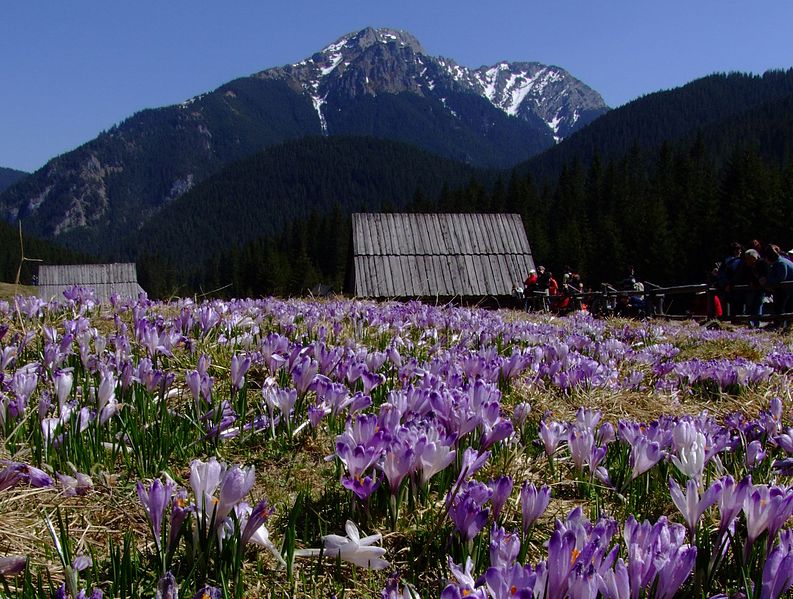
Bird lovers will find plenty to see. Squirrels and small mammals are common. But, spotting bears and wolves near the Slovakia-Poland border is rare.
The Tatra National Park and Biesczady are home to European Lynx. Seeing one is as rare as finding a hen’s tooth.
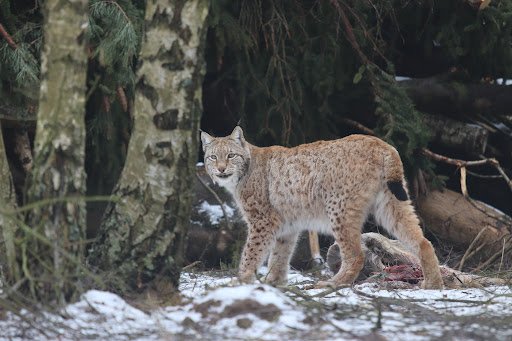
Walking through these places, you feel a little closer to nature than usual.
You’re in Europe, yet nature is right there – not in the form of a pigeon, but in a creature that a lot of people will never see in their lifetime.
Historical Polish Mountain Culture
The people that are traditionally home to this part of their world have their own heritage and culture that sets them apart from other Slavic sub-cultures.
Highlander Heritage and the Góral Ethos
The Góral people, ‘natives’ of the Polish highlands, have crafted a culture as rugged as the mountains.
Zakopane, the winter capital of Poland, boasts authentic wooden architecture, best suited to the climate of the region.
Highlander music and dance is an important part of the region and has also gone on to influence traditional and even modern Polish music.
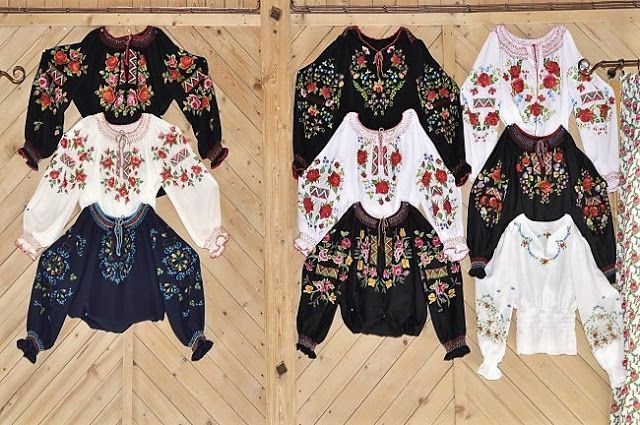
Their traditional Polish clothing is also a sight to behold!

Men’s attire features cloth shirts with metal clasps, bright trousers with black stripes, and embroidered designs. They wear sleeveless jackets (serdak) and coats (cucha), adorned with various decorations. Women’s clothing traditionally includes thin percale shirts, wide-folded skirts, floral corsets, and beaded necklaces, indicating wealth.
The mountain region is culturally distinct. Residents proudly maintain their traditions, including a a dialect of the Polish language.
Gwara, the dialect, incorporates archaic Polish elements and influences from Slovak, Hungarian, and Balkan languages.
The region’s art is mainly utilitarian but intricately decorated. It includes sculpture, wood carving, embroidery, and glass painting.
Wood carving, once thriving, has faced challenges due to mass-produced imitations. Sculpture, mainly for religious and aesthetic purposes, has been a significant art form.
Flavours of the Pieniny and Bieszczady Mountain Ranges
No exploration of Polish mountain culture is complete without indulging in its hearty, flavoursome mountain cuisine.
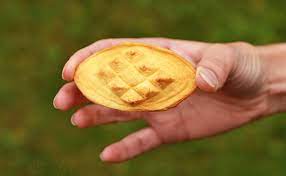
- Oscypek Cheese: A Protected Designation of Origin (PDO) product, reflecting the intertwined nature of Góral traditions and local gastronomy. Pro Tip: Don’t buy this stuff in Kraków or any other Polish city. Buy it in the mountains.
- Highland Stew: A staple during the harsh winter months, showing the highlanders’ resourcefulness and the rich flavours of the region. It’s known as Bigós. It pairs well with Polish Vodka or beer.
- Kwaśnica: A sour cabbage soup that embodies the essence of traditional Polish cooking techniques.
Seasonality in the Polish Mountain Ranges
Whether you’re drawn to trekking through snow-kissed valleys or wandering through the slopes in summer, year-round hiking in Poland offers extraordinary experiences.
In winter, Zakopane becomes the winter capital of Poland, with landscapes glistening like a fairytale under the snow.
But with one main road in from Kraków, it’s best to avoid it for New Year’s Eve.
Spring is still a busy time in the high tatra mountains, so it’s a good time to go somewhere just as stunning but less travelled, like the Świętokrzyskie, aka Holy Cross mountains.

In summer, the Mountain Lakes of Morski Oko are an incredible attraction, and just day trip from Zakopane. One of the most beautiful sights you can see in the region – but again, it’s very busy.
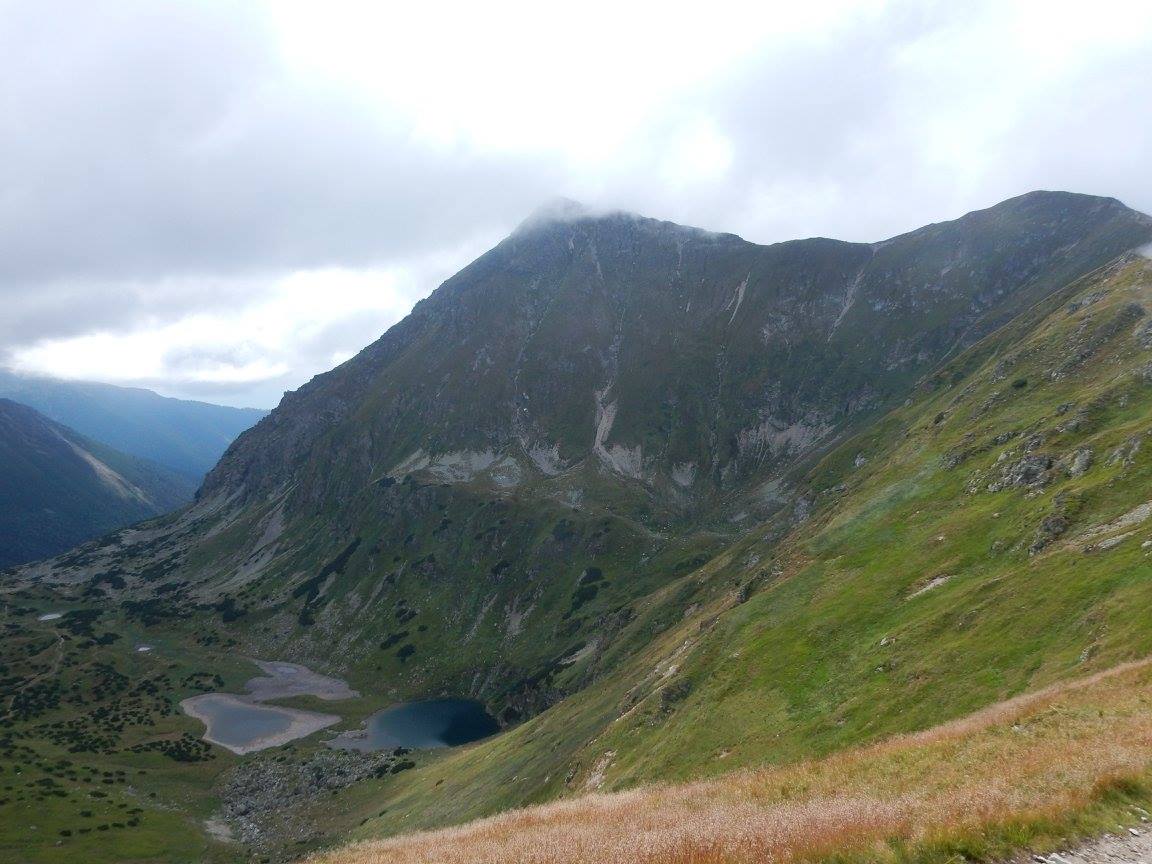
It’s perfect for biking and paragliding amidst lush greenery. Autumn brings amber leaves, making paths less trodden, for a quieter and milder gateway to the mountains’ enchanting vistas.
- Winter: Engage in snow sports and witness Zakopane in its bustling glory.
- Spring: Relish the serene transition with fewer tourists and blossoming paths guided by seasoned professionals.
- Summer: Embrace the vibrancy of Poland’s wilderness, perfect for extended hikes and outdoor activities.
- Autumn: Savour the tranquillity of the off-peak season with mild weather and picturesque scenes.
Camping & Accomodation
Camping in a tent is pretty uncommon in the mountains of southern Poland and Slovakia.
There are huts, or challets dotted around the region where you can book a room for a night, get a feed and rest up. It’s best to book well ahead of time and plan your day hikes around the mountains from these buildings.
The Best Hikes in Poland
Whether you’re captivated by the allure of rugged terrains or the serenity of snow-capped mountain vistas, Poland offers some of the most exhilarating hikes and snow sports opportunities in Europe.
The Stołowe Mountains
Poland’s Stołowe Mountains offer striking rock formations and unique table-like peaks, making them a standout destination for hikers. Also in the south of Poland, these trails weave through narrow crevices, past towering cliffs, and across flat-topped summits.
Szczeliniec Wielki, the highest peak, rewards visitors with panoramic views and fascinating rock shapes carved by centuries of erosion. Hikes range from gentle paths to more challenging routes that guide walkers through natural stone mazes. This region’s surreal terrain and diverse trails promise an unforgettable adventure for explorers of all levels.
Trekking through the Świętokrzyskie mountains
Poland is home to the Świętokrzyskie Mountains, one of its smaller mountain ranges, but full of natural wonders and legends. Located closer to Lublin and within easy reach of Warsaw, this polish part of the Carpathian foothills is famous for its striking boulder fields, known locally as gołoborze.
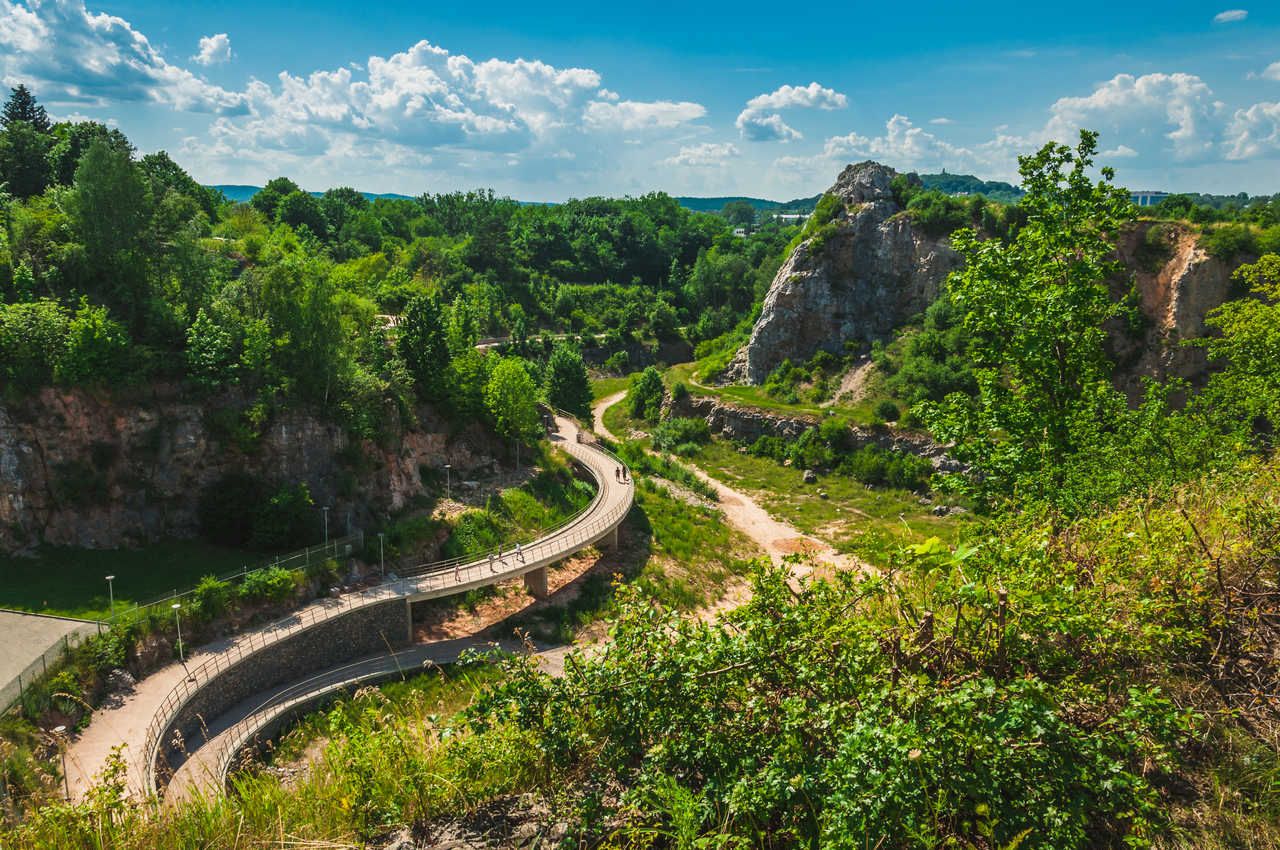
These rocky surfaces, especially around Łysa Góra and Łysica, were said to be the meeting spots for witches during their secret sabbaths.
Visitors can explore caves, grottoes, and unusual rock formations, many with names linked to paradise or hell – a nod to the region’s close connections to religion in Poland.
Nature reserves like Szczytniak and Góra Jeleniowska offer a glimpse of how plants slowly reclaim rock rubble, turning stone fields into lush forests over time. This region is a paradise for geology lovers and anyone curious about Poland’s ancient natural history.
Karkonosze National Park
Trekking through Karkonosze National Park brings an unforgettable mix of rugged trails, fresh air, and stunning views. Paths wind past waterfalls, rocky cliffs, and dense forests filled with wildlife.
Hikers can climb to Śnieżka, the highest mountain in the region, for sweeping views of the Czech and Polish borders.
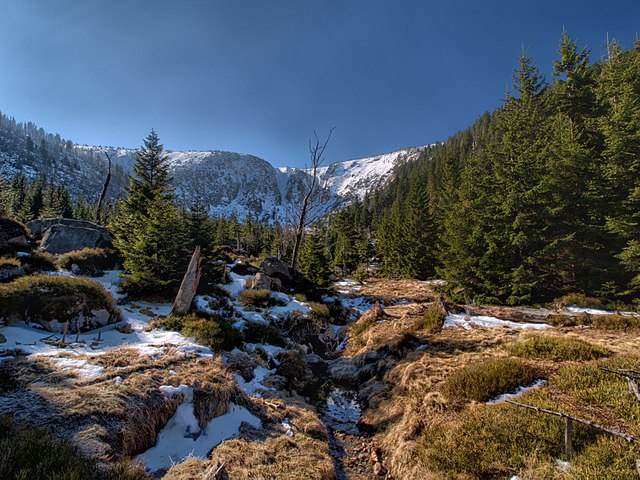
Changing weather adds a thrill to the experience, but well-marked trails keep things manageable.
Not far from Wrocław, the Karkonosze mountains are a good day trip. Whether walking a short route or taking on a full-day trek, they’re a fantastic getaway within Poland.
Scaling the Heights of Babia Góra and Giewont in the Tatry
Hiking Babia Góra and Giewont offers two very different but equally unforgettable adventures.
Babia Góra, also known as Diablak or “Devil’s Peak,” sits proudly on the Poland-Slovakia border, reaching 1,725 meters above sea level. It’s one of the oldest mountains in Poland and a favourite among hikers for its diverse trails.
Most routes are beginner-friendly, but for those craving a bigger challenge, the Perć Akademików route will test your stamina. This path is famous for its steep climbs, chains, and metal steps bolted into the rock, adding a dash of adrenaline to the journey.
Giewont offers a completely different vibe. Rising 1,894 meters above sea level, this iconic peak of the Polish Tatra is a must-hike for anyone visiting near the city of Zakopane in Lesser Poland. Its silhouette, resembling a sleeping knight, is legendary—literally. 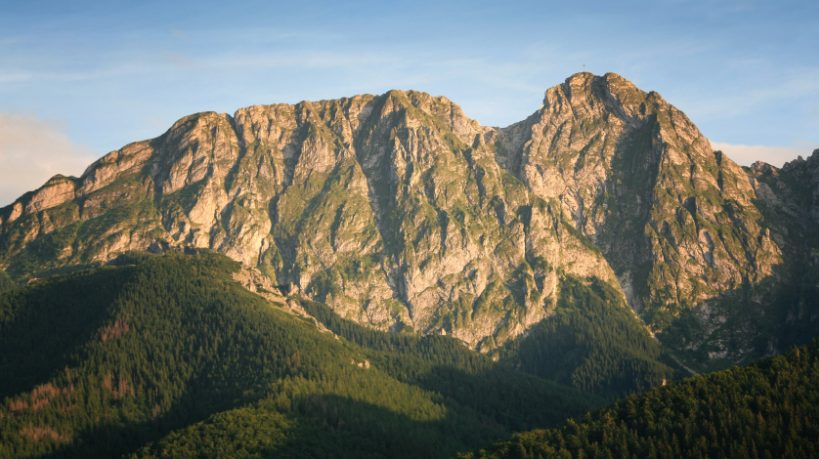
Local folklore says sleeping knights rest inside the mountain, ready to awaken if Poland ever faces danger. The hike itself starts fairly easy, with scenic paths through valleys and forests, but things heat up closer to the summit.
The final stretch involves scrambling up rocky slopes with the help of chains, making it a heart-pounding adventure for many. Reaching the top feels like an accomplishment as hikers are greeted by the towering metal cross planted there in 1901.
From the peak, views stretch across the Tatra range, with Zakopane and the surrounding valleys sprawled out far below. Just watch out for sudden storms — Giewont is known for attracting lightning, and weather can change fast.
Skiing and Snow Sports at Kasprowy Wierch and Szrenica
If you’re inclined towards snow sports in Poland, prepare to be enthralled by the pristine ski runs and glistening landscapes. Kasprowy Wierch is not only a haven for skiers of all levels but also a destination where you can indulge in the sheer joy of skiing in Poland against a backdrop of the Tatra Mountains.
With well-groomed runs and state-of-the-art facilities, Szrenica offers the quintessential winter sports experience.
The Mythology and Legends Within Poland’s Tatra Mountains
There are many stories and legends born from the region’s stunning landscapes and local Polish folklore.
Some that are specific to the south mountain regions of Poland include:
King of Snakes: A magnificent, rainbow-coloured serpent with a golden crown, notorious for its reign over black knights who terrorised local villages in the Western tatras.
Morskie Oko Fish: A gargantuan fish with a ram’s head and a diamond between its eyes, rumoured to dwell in the scenic lake Morskie Oko.
The Monk: An evil spectre, resembling a monk, believed to abduct young women and linked to an optical illusion known as the Brocken spectre

Płanetnik: A water daemon, controlling rain and hail, often depicted as a man in a straw hat and coat, capable of both protective and destructive actions.
Dziwożony: Malevolent female daemons, known for abducting babies and women, and stealing various items from locals, with a peculiar fear of bellflowers.
Ghost of a Monk: A benign spirit emerging from a tree trunk in the Gorce Mountains, initially a monk who sinned and was killed by outlaws.
These Polish mountain tales are deeply ingrained in the region’s identity.
Wildlife and Biodiversity with in Carpathians
Stepping into the Carpathians feels like walking into one of Europe’s wildest natural havens.
Poland’s fauna and flora shine in all their glory. You might see the majestic brown bears, the stealthy lynxes, or the soaring golden eagles.
The flora, too, is a spectacle.
Carpathian Bellflower – A botanical gem native to the area.
Retezat Lily – An extraordinary bloom unique to the Polish side of the Tatras.
Brown Bears – Witness the splendour of one of Europe’s most formidable mammals.
Lynxes – Keep an eye out for this elusive hunter in its natural habitat.
Golden Eagles – Gaze aloft to witness this regal bird of prey and the Polish coat of arms.
Conclusion
In the quietude of a mountain hut, nestled within the embrace of Lesser Poland’s mountain range, one finds a profound sense of connection with nature.
These mountains, undeniably some of the most captivating in Europe, offer a haven where time seems to stand still and the bustle of modern life fades into insignificance.
In the silence of the mountains, you find a voice that speaks to the soul – a voice that calls you back, time and time again, to the timeless beauty of Europe’s best-kept secret.