

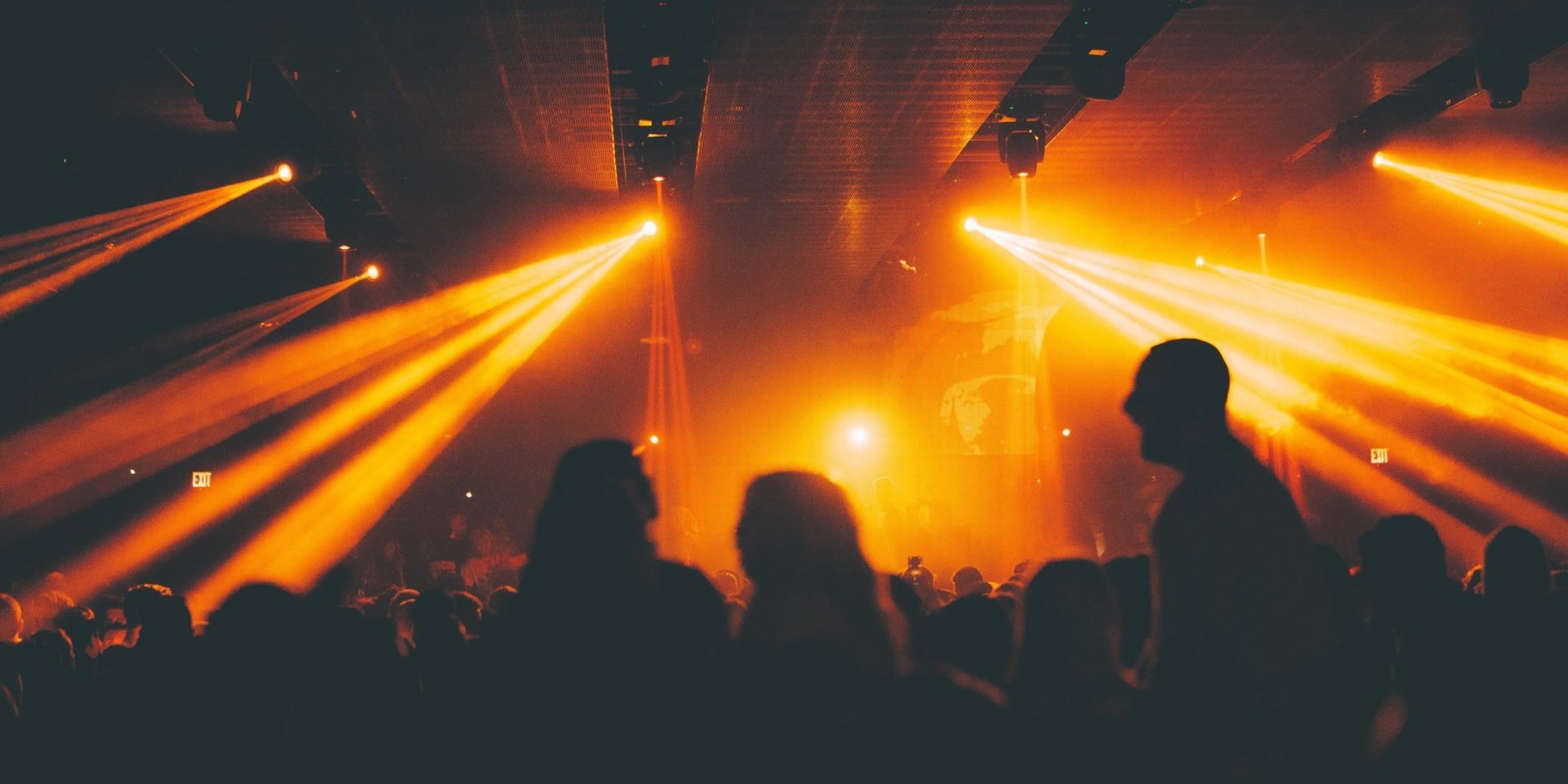
Party Capital Of Europe? Where To Find The Best Nightlife In 2026
I stumbled off a night train from Warsaw into Berlin Hauptbahnhof on a Friday afternoon, groggy from the ride but already calculating how many hours I had until the clubs even bothered opening. The answer, for anyone who hasn’t experienced Berlin: about ten. Maybe twelve.
That trip crystallised something I’d been wrestling with for years as a foreigner living in Central Europe. The question of which city deserves the title of party capital of Europe doesn’t have a clean answer. It depends entirely on what you actually want from a night out, how much you’re willing to spend, and whether you treat clubbing as a marathon sport or a casual social activity.
Most guides will hand you a ranked list of 25 cities with two generic paragraphs each. I’m not doing that here. Instead, I want to walk you through the actual contenders for the best party cities in Europe in 2026, explain what makes each one tick, and help you figure out which one fits your budget, your vibe, and your timing.
Here at EXPATSPOLAND, we approach this question from a specific angle: as foreigners who already live in Central Europe and treat places like Berlin, Budapest, and Prague as weekend possibilities, not once-in-a-lifetime pilgrimages. That perspective changes how you evaluate cost, stress, and whether the hype matches reality.
Key Takeaways
- Short answer: Berlin still holds the “party capital of Europe” title based on techno culture, year-round depth, and formal cultural recognition, even though legendary venues keep closing.
- For value: Budapest, Kraków, Warsaw, and Belgrade deliver some of the best nightlife in Eastern Europe at prices that still surprise me after years in Poland.
- For summer hedonism: Ibiza dominates superclub rankings and DJ lineups, but only operates from roughly May to October and burns through cash faster than anywhere else on this list.
- Your move: Choose a city by vibe, budget, and season instead of chasing one mythical “best” destination.
So What Is The Party Capital Of Europe In 2026?
Short answer: Berlin.
If you’re measuring by cultural recognition, year-round depth, and sheer scale, Berlin remains the strongest candidate. In March 2024, Germany’s UNESCO Commission added “Technokultur in Berlin” to the country’s national intangible cultural heritage list, formally recognising its contribution to the city’s identity. That’s not a marketing stunt. It’s government-level acknowledgement that clubs matter here.
But here’s the qualification: the crown sits a bit crooked now. Berlin’s legendary status was built in the 1990s and 2000s, when the city was cheap, wild, and full of industrial spaces waiting to be converted into clubs. Today, it’s expensive, gentrified, and several flagship venues have closed permanently. Watergate shut down after 22 years. Wilde Renate announced its closure for 2025.
So Berlin wins on cultural weight and recognition. Whether it wins on actual experience in 2026 depends on what you’re comparing it to.
How I Judge The Best Party Cities In Europe
Every guide claims to rank the best European cities for partying, but almost none explain their criteria. Here’s what I actually look at after nearly a decade of nights out across the continent:
- Depth of nightlife scene: Not just one famous club, but an ecosystem of venues across different vibes and price points.
- Cultural weight: How central is nightlife to the city’s actual identity? Is it a tourist add-on or a genuine local institution?
- Cost vs Australia: I benchmark everything against what I’d pay back home. A €15 cocktail in Ibiza hits different when you know it’s €4 in Kraków.
- Year-round vs seasonal: Some cities only work in summer. Others are equally good in February.
- Ease for foreigners: Door policies, English use, safety getting home at 4am, general welcoming vibe.
One thing worth noting: the post-communist urban fabric of Central and Eastern Europe shaped nightlife in ways Western guides often miss. Huge concrete spaces, ex-factories, and a “enjoy it now, who knows about tomorrow” attitude all feed into how Poles, Hungarians, and Czechs approach going out. It’s not just about cheap beer. There’s a cultural layer underneath.
Berlin: Techno Capital, Still The Heavyweight
Why Berlin Still Leads
Berlin’s claim isn’t just vibes. It’s structural. In 2021, the German federal parliament voted to reclassify clubs as cultural institutions, granting them the same legal status as museums and opera houses. This protects them from gentrification pressures and distinguishes them from entertainment venues like casinos or brothels.
The economic argument backs this up. According to reports from Berlin’s Clubcommission, the sector attracts around 3 million club tourists annually and contributes €1.5 billion to the local economy. That’s not fringe culture. That’s a serious industry.
Then there’s the actual experience. Berlin clubs don’t close. Berghain’s famous “Klubnacht” runs continuously from Saturday night until Monday morning. It’s not uncommon for people to leave on Sunday, nap, and return. This marathon approach to nightlife doesn’t exist anywhere else at this scale.
The city’s techno clubs also function as important spaces for marginalised communities, particularly LGBTQ+ Berliners. The dancefloor here has historically been a refuge, which adds a layer of meaning beyond pure hedonism.
What’s Changing In Berlin’s Nightlife
Here’s where things get complicated. Berlin’s legendary status was built when the city was poor and full of empty space. Neither of those conditions holds anymore.
Gentrification has been brutal. Rising rental costs have pushed smaller venues out of central neighbourhoods. Noise complaints from new residents have forced closures. And the post-pandemic period has been rough across Europe, with venues struggling with inflation, staffing shortages, and changed audience habits.
The closures of Watergate and Wilde Renate aren’t isolated incidents. They’re symptoms of a broader shift. Gen Z clubbers also seem less interested in the traditional 48-hour hedonistic marathon. Whether Berlin adapts or slowly loses its edge remains an open question.
Who Berlin Suits In 2026
Berlin works best for:
- Techno nerds who treat clubbing as a serious pursuit
- People willing to queue for hours and accept strict door policies
- Travellers who want culture first, drunken chaos second
- Anyone planning a year-round visit (not summer-dependent)
I’ve queued two hours for a Berlin club and still been turned away. This doesn’t happen in Kraków. If you want guaranteed entry and a casual vibe, Berlin might frustrate you.
Ibiza: Biggest Party Island In Europe, Not A Year-Round Capital
If you define “party capital” by superclub dominance and global DJ rankings, Ibiza wins. According to DJ Mag’s Top 100 Clubs 2024, Hï Ibiza ranked #1 in the world for the third consecutive year, with Ushuaïa at #4 and Amnesia at #8. No other location concentrates that much global club prestige.
But Ibiza is seasonal. The party machine runs from roughly May to October. Outside that window, it’s a quiet Mediterranean island. And during peak season, it’s brutally expensive. Expect €30-50 entry fees, €15+ drinks, and accommodation prices that make London look reasonable.
Who Ibiza suits: People who save specifically for one or two peak weekends, EDM and mainstream house fans, group trips with budget pooled, and anyone who values production value and famous DJ lineups over gritty underground atmosphere.
If you only care about one ridiculous weekend in summer and you have money to burn, go to Ibiza. If you want four good weekends in a row without torching your savings, fly to Central Europe instead.
Budapest: Best Value Party City In Europe?
Ruin Bars And Spa Parties
So is Budapest a party city or just a few Instagram-famous bars? The answer is: genuinely both, with depth that surprises most first-time visitors.
Budapest’s ruin bar scene emerged from post-Soviet necessity. Abandoned buildings in the Jewish Quarter, left derelict after decades of neglect, were transformed into eclectic, avant-garde drinking spaces. Szimpla Kert pioneered this in the early 2000s, and today the district hosts dozens of venues ranging from grimy to polished.
The vibe is completely different from Berlin’s clinical techno temples or Ibiza’s glossy superclubs. You’re drinking in actual ruins, surrounded by mismatched furniture, art installations, and a crowd that skews young, international, and budget-conscious.
Then there are the spa parties at Széchenyi Baths. Yes, you can party in thermal pools. No, this doesn’t exist anywhere else.
What A Night Actually Costs
This is where Budapest shines. Rough ranges for 2025-2026:
- Pint of beer: €2-3
- Cocktail: €5-8
- Club entry: €5-15 (often free before midnight)
Compare this to London, where you’d pay £6+ for a beer and face entry fees approaching £20-30. Budapest delivers multiple solid nights out for what one London night costs.
Who Budapest Suits
Budapest works for backpackers, Erasmus students, stag and hen parties, and anyone who wants creative, messy nights without financial stress. The scene is more about atmosphere and affordability than cutting-edge music curation. If you want pure techno, Berlin’s still better. If you want good times at low cost with genuinely unique venues, Budapest punches far above its weight.
Kraków And Warsaw: Best Nightlife In Central And Eastern Europe From A Polish Home Base
Kraków: Student Density, Vodka Culture, Easy Nights Out
Kraków regularly appears on lists of the best party towns in Europe, and having lived nearby, I can confirm it earns the reputation. The city has an absurd concentration of students, a compact old town with bars stacked on top of each other, and prices that remain genuinely cheap by European standards.
The Rynek (main square) and Kazimierz (the old Jewish quarter, now the nightlife epicentre) offer everything from dive bars to clubs like Prozak 2.0, boat parties on the Vistula, and basement venues playing everything from techno to Polish hip-hop.
Polish vodka culture adds a distinctive flavour. Communism created scarcity, which turned drinking into a social pressure valve. The aftereffects still shape how Poles approach nightlife: intense, generous, and with a slight undercurrent of “let’s enjoy this while we can.” If you want to understand this better, I’d recommend reading about Polish vodka and how it fits into local social life.
For budget travellers, Kraków on a budget is very doable. Hostels are cheap, pre-drinking is standard, and you can have multiple big nights without worrying about cost.
Warsaw: Underrated Capital With Heavy Weekends
Warsaw is harder to crack on a short visit. It’s sprawling, less obviously charming than Kraków, and takes time to reveal its best spots. But for people considering living in Poland, it’s worth understanding that the capital has serious nightlife depth.
Key areas include Powiśle (trendy bars along the river), Śródmieście (city centre clusters), and Praga (grittier, more alternative). Warehouse-style clubs, rooftop bars, and a thriving underground scene exist if you know where to look.
If you’re weighing Warsaw vs Krakow as a potential base, Warsaw wins on career opportunities and long-term livability, while Kraków wins on instant nightlife access. For quick facts about the capital, see our guide to facts about Warsaw.
Who Poland Suits As A Party Base
Poland offers strong value, easy flights to Berlin, Budapest, Prague, and Belgrade, and remarkably safe late-night streets compared to Australian city centres. The trade-off is a more conservative social climate in some ways and a Catholic cultural backdrop that influences everything from Sunday trading to attitudes toward public drunkenness.
For foreigners considering longer stays, understanding Polish culture helps contextualise the nightlife experience. It’s not just about bars. It’s about how Poles socialise, what they value, and the historical weight behind their current enjoyment.
Other European Party Cities By Vibe
Prague: Stacked Clubs And Chaotic Weekends
Prague combines stag-party chaos with genuinely interesting venues. Karlovy Lázně (Europe’s largest music club, spread across five floors) caters to tourists, while Cross Club offers a more industrial, alternative vibe built from recycled machinery. Communist-era architecture turned nightlife is a recurring theme across Central Europe.
Who it suits: Budget groups, first-time European party trippers, people who want variety without much planning.
Amsterdam: Great Nightlife, But The City Doesn’t Want Your Stag Party Anymore
Amsterdam pioneered progressive nightlife governance, including the “Night Mayor” concept that’s since spread globally. But the city has explicitly turned against nuisance party tourism. In 2023, Amsterdam launched a “Stay Away” campaign targeting British men aged 18-35 searching for stag parties, cheap hotels, and pub crawls.
The message is clear: Amsterdam wants visitors, but not the ones who come solely to get wasted. If you’re looking for a responsible, culture-rich nightlife experience, it’s still excellent. If you want wild stag-party chaos, the city is actively trying to discourage you.
Lisbon: Dense Bar Districts And Cheap Beer
Lisbon often surprises visitors with its nightlife density. The Bairro Alto neighbourhood alone packs roughly 100 nightclubs and bars into a compact area. Studies have ranked Lisbon highly on venues per square kilometre, and beer prices (around £2.15/pint according to UK comparisons) make it accessible.
Who it suits: Bar crawlers, people who prefer outdoor drinking culture, travellers combining nightlife with beaches and day drinking.
Belgrade: River Clubs On The Danube
Belgrade’s signature nightlife comes from “splavovi,” floating river clubs along the Sava and Danube rivers. These aren’t gimmicks. They’re a genuine cultural phenomenon, offering everything from techno to traditional Serbian folk music, with price points that remain extremely affordable.
Who it suits: People looking for something genuinely different, budget-conscious travellers, anyone bored of standard club formats.
London And Dubrovnik: Brief Notes
London offers unmatched breadth (jazz, cabaret, warehouse raves, speakeasies) but brutal costs and door-policy stress. Dubrovnik has summer party scenes but is heavily seasonal and increasingly expensive due to cruise tourism. Neither belongs on a “budget nightlife” list.
How To Choose The Best Party City In Europe For Your Trip
Rather than chasing one “best” destination, use a simple three-step framework:
- Set your budget per night. What can you realistically spend on drinks, entry, and transport? €30? €100? €200? This immediately filters your options.
- Decide on vibe. Do you want techno warehouses, ruin bars, beach clubs, pub crawls, or river clubs? Each format points to different cities.
- Pick season and trip length. Summer-only destinations like Ibiza and Mykonos require timing. Year-round cities like Berlin, Budapest, and Warsaw work any time.
A quick grid:
- Tight budget + techno: Belgrade, Warsaw, or Berlin’s free/cheap nights
- Tight budget + variety: Kraków, Budapest, Prague
- Mid budget + techno: Berlin (standard weekends)
- Mid budget + summer beach: Lisbon, Croatia
- Big budget + superclubs: Ibiza, London
Costs, Seasons, And Safety: Reality Check Before You Book
Cost Comparison Table (Approximate 2025-2026)
| City | Beer Price | Club Entry | Seasonality | Door Stress |
|---|---|---|---|---|
| Berlin | €4-5 | €10-20 | Year-round | High (rejection risk) |
| Ibiza | €8-12 | €30-60 | May-October | Low-Medium |
| Budapest | €2-3 | €5-15 | Year-round | Low |
| Kraków | €2-3 | €3-10 | Year-round | Low |
| Warsaw | €3-4 | €5-15 | Year-round | Low-Medium |
| Belgrade | €2-3 | €5-10 | Year-round | Low |
| Lisbon | €2-3 | €5-15 | Year-round | Low |
| London | £6-8 | £15-30 | Year-round | High (some venues) |
Practical Notes
- Door policies: Berlin and some London clubs can reject you without explanation. Dress code matters less than vibe (looking “too tourist” or “too mainstream” is the real issue in Berlin).
- Scams: Tourist-heavy areas (Amsterdam’s red light district, Dubrovnik old town, Prague tourist bars) have higher overcharging risk. Check prices before ordering.
- Getting home: Central European cities generally have excellent night trams and cheap Uber/Bolt availability. Communist-era public transport planning accidentally created great drunk-getting-home infrastructure. Australian sprawl can’t compete.
- Safety: Most European party cities are remarkably safe compared to major Australian urban centres. Polish cities particularly feel safe at night, though the usual common-sense rules apply.
Understanding Eastern European dating culture also helps contextualise the social scenes in these cities, especially if you’re interested in meeting locals beyond the surface-level tourist experience.
FAQs About Europe’s Party Capitals
What is the party capital of Europe right now?
Berlin, if you measure by club culture depth, cultural recognition (including UNESCO heritage status), and year-round nightlife. Ibiza dominates summer superclub rankings, and Budapest wins on value, but Berlin remains the strongest overall claim for “capital” status.
Is Budapest a party city or just a few ruin bars?
Budapest is genuinely a party city with significant depth. Beyond the famous ruin bars in the Jewish Quarter, you’ll find spa parties, riverfront venues, and a thriving underground scene. It’s not a one-trick destination. The history of the ruin bars explains how post-Soviet conditions created something genuinely unique.
Which is the cheapest party city in Europe?
Per night out, I still pay least in Kraków, Belgrade, and parts of Budapest. Warsaw runs slightly higher but remains far cheaper than Western Europe. Prague has gotten more expensive but is still affordable compared to Berlin or London.
Which European city has the best nightlife for students and backpackers?
Kraków, Budapest, Prague, and Warsaw all excel here. Cheap hostels, cheap drinks, concentrated nightlife districts, and a general tolerance for messy fun make them ideal for budget-conscious younger travellers.
Where should I go for a stag or hen party in Europe?
Kraków, Prague, Budapest, and Lisbon are the main contenders. All offer affordable packages, established party infrastructure, and tolerance for groups. Just be aware that local attitudes toward rowdy behaviour vary, and Amsterdam is actively trying to discourage stag tourism.
Is Berlin nightlife dying after all the club closures?
Not dying, but evolving. The UNESCO recognition and legal protections for clubs as cultural institutions provide some defence against gentrification. But closures of venues like Watergate and Wilde Renate signal that the scene is under real pressure. Berlin in 2026 isn’t Berlin in 2010. Adjust expectations accordingly.
Conclusion
The honest answer to “what is the party capital of Europe?” is that it depends on what you’re actually looking for. Berlin wins on cultural weight and depth. Ibiza wins on summer superclubs. Budapest, Kraków, Warsaw, and Belgrade win on value and accessibility.
If you’re basing yourself in Central Europe, whether for an extended trip, an Erasmus semester, or something longer, you’re in a strong position. Cheap flights connect Polish cities to all the major nightlife hubs in under two hours. You can treat Berlin as a weekend trip rather than a once-in-a-lifetime pilgrimage.
For those considering actually moving to Poland or spending an extended period here, the nightlife scene becomes part of daily life rather than a tourist highlight. And if you want to stay even longer, there are options like teaching English in Poland that let you fund a lifestyle that includes regular access to Europe’s best party cities.
The party capital of Europe isn’t one city. It’s a circuit. And if you position yourself smartly, you can hit all of it without breaking the bank.
Meta Title: Party Capital Of Europe In 2026: Berlin, Ibiza & More
Meta Description: Berlin still claims the party capital of Europe crown, but Budapest, Kraków, and Ibiza all compete. An honest, expat-in-Poland guide to Europe’s best nightlife.
