Learning a new language is both exciting and hard.
I started learning Polish over ten years ago. I’ve lived in Poland for 8 of those years. I’m confident with my Polish, but I’m far from fluent.
10 years and I’m not fluent. Will your path to Polish be the same?
Probably not.
Speaking and understanding Polish is neither quick nor straightforward.
It’s a personal voyage that takes time.
Reaching milestones, like ordering a meal or speaking in a hospital, taught me a lot. There isn’t a simple answer to how long does it take to learn Polish or how long to learn Polish fluently.
By facing my challenges head-on and learning from my mistakes, I grew. This approach helped me become conversant in Polish and appreciate its beauty, beyond just being proficient.
Here’s what you’ll read about below:
- The journey to Polish proficiency is a personal one with a flexible timeline.
- Reaching a basic conversational level (A1/A2) typically involves around 200 hours of study.
- Building upon the basics to achieve intermediate levels (B1/B2) can accumulate up to 550 hours.
- Advanced fluency (C1), allowing you to operate in professional and academic settings, requires at least 900 hours of dedicated effort.
- Adopting immersion strategies and leveraging technology significantly aids the learning process.
- Time commitment and consistency are pivotal to move from basic to advanced mastery of the Polish language.
The Factors Influencing Polish Language Acquisition
There’s so much that goes into learning a language and therefore how long it takes to learn a language. Your dedication plays a massive role, but so does your geographical location and your native language. Here are some thing that influenced my progress in learning Polish:
Personal Attitude and Motivation
Your drive to learn is key. Wanting to speak the language isn’t enough, you’ve got to be committed to learning within what may be your existing busy schedule.

A positive attitude can make learning Polish easier and more fulfilling.
Consistency and Intensity of Study
Consistent study beats cramming when learning Polish. Regular sessions with a teacher help explain rules and grammar, and are a chance for feedback.
Having flash cards in the bathroom to practise while you brush your teeth help. Setting yourself weekly ‘homework’ and goals help’s keep the motivation up.
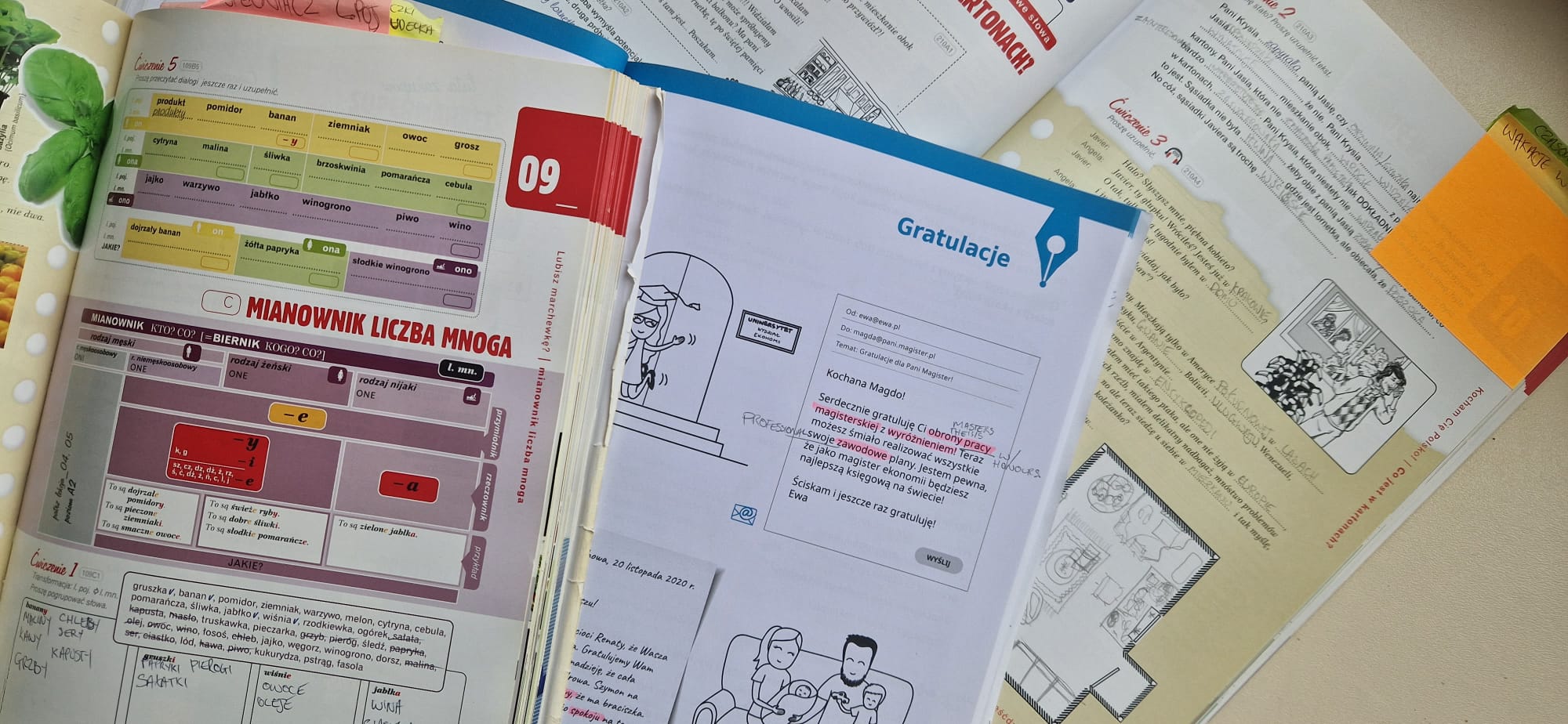
Watching Polish movies, listening to Polish music, and reading kids’ books in Polish helps.
Increase your exposure to the language and you’ll learn quicker.
Treat yourself as a kid
I was 28 when I started learning Polish. Reading books that are tailored to Polish adults didn’t help at all. What did help was learning kid’s songs and reading kid’s books.
Here’s how I learned about body parts:
I love Star Wars, so I picked up a lego Star Wars book. I know the story, so I could piece together what was happening in the book.

Your Polish skills of that of a child. There’s so much material for kids out there, take advantage of it.
The Role of a Language Mentor
A language mentor’s guidance boosts your learning. They offer corrections, cultural tips, and support. Resources like PolishPod101 and language exchanges can fast-track your progress, making learning structured and less lonely.
Resilience
You’ll eventually ask why Jesień, a word with a masculine letter on the end, is actually a feminine word.

You’ll learn all the rules, only to find that there are just as many exceptions. You’ll struggle to pronounce words and often be faced with situations that are demotivating. When you’re facing this kind of resistance, keep pushing.
Understanding yourself
This one sounds a bit deep, but bear with me. A Polish teacher has been taught how to teach Polish in a specific way. That usually involves bookwork, memorising rules and words, and then talking.
That didn’t work for me.
I wanted to learn words and then use them without learning the rules. This method set me back when it came time to pass an exam, but it gave me the confidence to make mistakes and ultimately instil practical speaking skills. You’ll learn a lot quicker when you find out how you learn best.
How Long Does It Take To Learn and Speak Polish?
Polish is a tough language for English speakers.
It has seven grammatical cases and a complex writing system. How long it takes to master Polish depends on your dedication, study methods, and language exposure. If you wonder about the hours or years needed to learn the Polish language well, here’s what you need to know.
The Foreign Service Institute places Polish in Category IV, meaning it’s harder to learn than many other languages. You might reach basic proficiency after 200-300 hours of study. That’s about six months if you study an hour each day.
You’ll need a few months of study to reach a conversational level in Polish.
To achieve advanced levels like C1 and C2, you need 800 to over 1100 hours of learning. Living in Poland, speaking Polish every day helped me immerse deeply in the culture. This made gaining advanced skills easier than just counting hours.
| Activity | Benefits |
|---|---|
| Studying pronunciation changes over time | Enhances phonetic skills and deepens historical understanding. |
| Engaging with complex Polish literature | Improves reading comprehension and introduces advanced vocabulary. |
| Reverse grammar study | Strengthens grammar usage through creative construction exercises. |
| Regular interactions with native speakers | Boosts conversational skills and confidence in real-life settings. |
These numbers might look scary, but each person’s learning path is different.
If you’re motivated by personal or career goals, or love Polish culture, learning the language is rewarding. It doesn’t just add a skill. It also boosts your brain power.
Starting with the Basics: The Polish Language for Beginners
Learning Polish starts with its basics. I remember my first steps – learning to say ‘dzień dobry’ correctly instead of jean dobree.
Here are some of the basics that got the language-learning ball rolling for me:
The Polish alphabet
Polish is unusual, in the sense it’s a slavic language that’s written in latin, rather than syrilic. That’s good, because Polish doesn’t have a new set of letters to learn, only a few individual characters to learn.
Learning the Polish alphabet and the way letters are pronounced was the first step.
You can’t pronounce Łękłody if you don’t know the ę sound.
Polish pronunciation is a mission unto itself!
Common Phrases and Vocabulary
Then, I focused on using Polish in real life.
Most books will teach you to say ‘my father is tall’, my mother is pretty’. That’s important to learn sentence structure and the way the genders effect the ending of words, but it wasn’t really practical.
Right after grapsing the concept of sentence structure, teach yourself ‘street’ Polish.
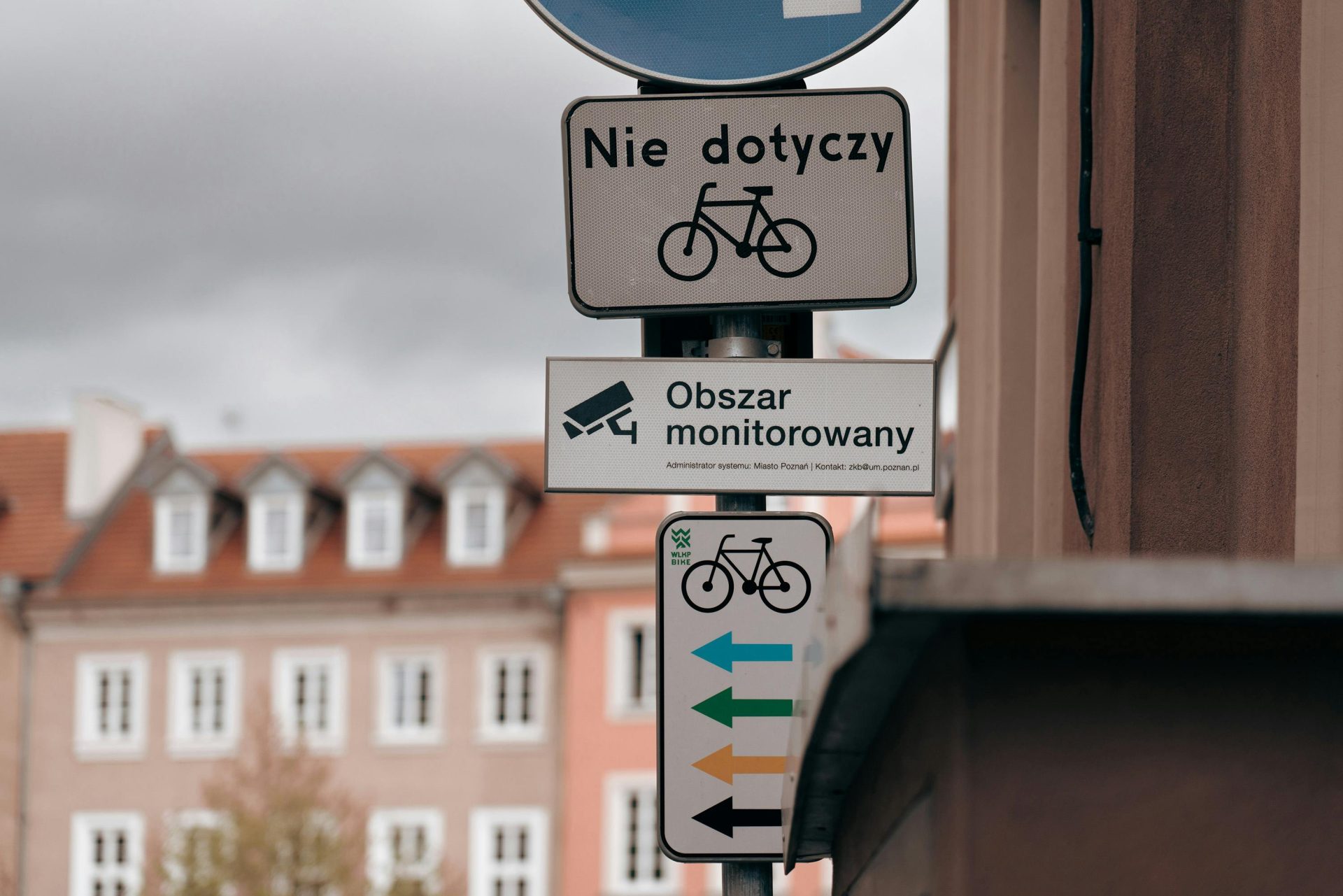
Here are some great words to understand, ask, and be able to respond to:
- Kartę czy gotowkę?
- Czy to wszystko?
- Miło mi
- Jak tam?
- Boli mnie tutaj
- Czekaj
The Intermediate Polish Plateau: Progress Slows But Deepens
I noticed a big shift when I hit the intermediate levels. This stage, often called the “plateau of despond,” slowed my progress noticeably. It felt like no matter how much I studied, being fluent seemed far off. I had the common Polish words and basics under control, but I didn’t feel like I was learning anything new.
The intermediate plateau is more about diving deep into the language.
I explored songs, poetry, public addresses from history, word origins, changes in pronunciation over time, and complex Polish texts.

It’s at this point where teaching myself was no longer feasible. You don’t know what you don’t know, and you can’t teach yourself something that you don’t understand.
I came back to iTalki and found a few new native Polish speakers to talk to. While my progress slowed, it continued. I found new ways to express myself, describe how I feel, and which words are more appropriate.
What’s the difference between pyszne and smaczne?
Fluency and Mastery: How Long to Learn Polish Fluently?
Achieving fluency in Polish is a big deal for native English speakers. Polish is a Tier 4 or Category IV language, making it quite complex. It generally takes about 1100 class hours, or around 44 weeks, to comfortably discuss various topics.
What Does Fluency in Polish Look Like?
Being fluent in Polish means more than knowing many words. It’s about talking with natives without pausing and sharing your thoughts clearly. Polish people love their paperwork, and being fluencymeans being able to understand this paperwork. It’s being able to read the fine print and understand it. Those fluent in Polish can express themselves fluently and accurately without having to struggle to find the word. Their accent is minimal, and pronunciation is clear.
Shifting From Learning to Living the Language
For me, learning to speak Polish well moved beyond classes to using it in daily life. I read local books, joined forums, and connected with people. Using Polish in real-life situations helps you understand and adapt faster. It changes from structured lessons to naturally speaking and thinking in Polish.
You know you’ve made it when you dream in Polish. Something I’ve yet to do!
I enjoyed studying and learning Polish. It was stressful because of the pressure I put on myself, but my life, living in Warsaw is so much better now that I can communicate and build relationships in the native tongue.